By Rissa Prima, Digital Marketing Manager, Cabo Bali
We've spent the last few years hosting guests across our villas in both Uluwatu and Canggu. We know both areas well — the good spots, the things that catch people off-guard, and the questions we get asked every single week. This guide is our honest answer to the most common one.
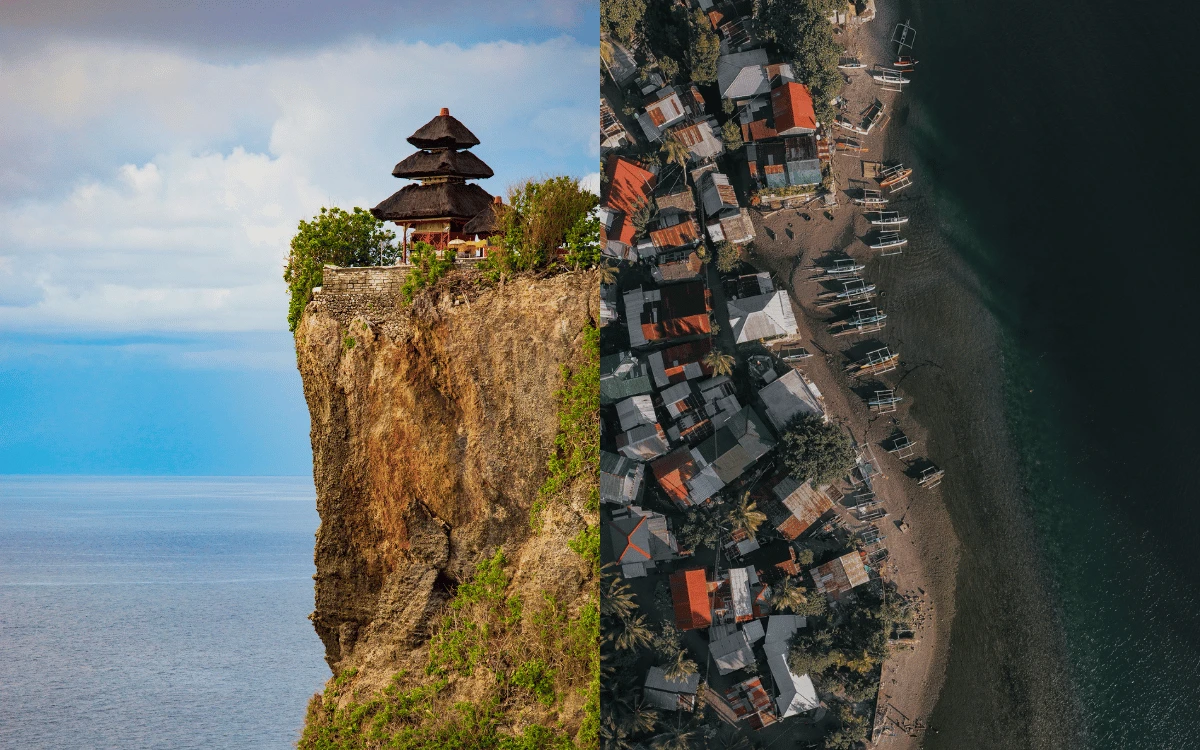
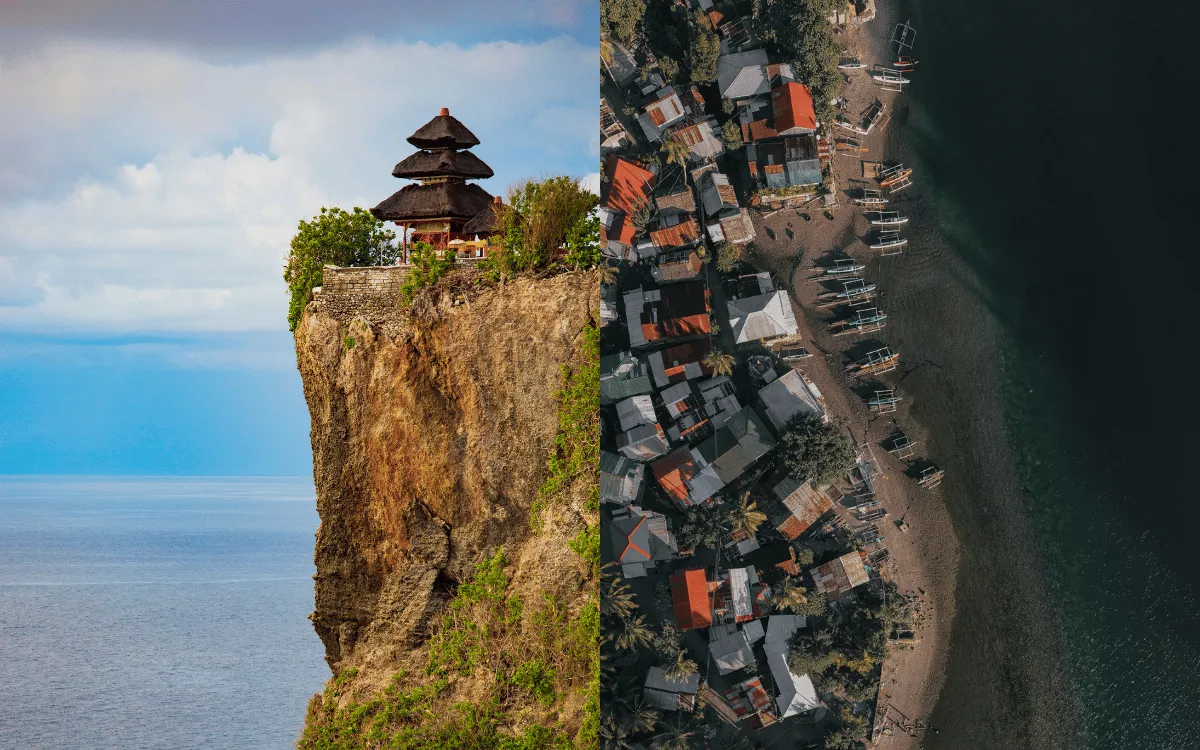
Uluwatu and Canggu are both in south Bali, both popular with the same kinds of travellers, and both get recommended constantly. But they are genuinely different places — different pace, different beaches, different reasons you'd leave feeling like the trip was right.
Choosing the wrong one for your trip is one of the most common Bali mistakes. The person who wants clifftop sunsets and slow mornings ends up in the middle of Canggu's noise. The person who wants nightlife and good coffee finds themselves on a quiet peninsula at 10pm with nowhere to go.
We've hosted guests in both areas for years. Here's the honest comparison, written for people actually trying to decide.
The Quick Answer
Uluwatu is a clifftop peninsula in south Bali best suited to couples, surfers and repeat visitors wanting dramatic scenery and a slower pace. Canggu is a flat, dense neighbourhood better suited to first-time visitors, solo travellers and anyone who wants nightlife, great coffee and a social scene.
Quick answer:
- Choose Uluwatu for dramatic clifftop scenery, the best beaches in south Bali, world-class surf and a slower pace — ideal for couples and repeat visitors.
- Choose Canggu for cafes, nightlife, walkability and a buzzy social scene — ideal for first-timers, solo travellers and remote workers.
- Can’t decide? Do both — four to five nights in one and three to four in the other. They are only 45–60 minutes apart.
- Best Uluwatu beach for 2026: Nyang Nyang, since the Bingin Beach warungs were demolished in mid-2025.
Staying in Uluwatu or Canggu? Browse Cabo’s villas — book direct and save 10% →
On this page
- Uluwatu vs Canggu at a Glance
- The Vibe
- Beaches
- Surfing
- Food, Cafes and Restaurants
- Evenings and Nightlife
- Getting Around
- When to Go
- What Does a Day Actually Cost?
- Daily Spend Benchmark
- Day Trips From Each Area
- Practical Tips for Each Area
- Who Each Area Is Actually Right For
- Frequently Asked Questions
- Key takeaways
- Where to Stay
Uluwatu vs Canggu at a Glance
The honest side-by-side, before the detail
| Uluwatu | Canggu | |
|---|---|---|
| Vibe | Clifftop, dramatic, unhurried | Flat, buzzy, always on |
| Best neighbourhood | Bingin | Pererenan |
| Beaches | Limestone coves, white sand, surf-heavy | Black sand, beach clubs, swimmable |
| Surf level | Intermediate to advanced | Beginner to intermediate |
| Food & cafes | Excellent — growing fast | Exceptional — one of SE Asia's best |
| Nightlife | Sunset cliff clubs, early nights | Full nightlife, bars until late |
| Getting around | Scooter essential | Walkable in parts, scooter helpful |
| Daily spend (ex. villa) | USD 70–120 | USD 55–100 |
| Best season | April–October (dry season) | Year-round — busiest Jul–Aug |
| Airport to area | 45–60 min | 30–45 min |
| Best for | Couples, surfers, repeat Bali visitors | First-timers, solo travellers, nomads |
The Vibe

Uluwatu: clifftop, spread out, genuinely quiet
Uluwatu is a raised limestone plateau on the southern tip of Bali's Bukit Peninsula, with cliffs dropping into the Indian Ocean on three sides. There is no town centre, no main strip, no traffic chaos. The beaches and restaurants are scattered across cliff roads connected by narrow lanes, 5–20 minutes apart.
The pace is slow in a way that feels intentional rather than underdeveloped. Mornings feel like mornings — you hear birds and the distant sound of surf, not traffic. People aren't rushing. There's a particular quality to sitting on a cliff edge with a coffee in Uluwatu that is difficult to describe and easy to remember.
Most guests who come here either specifically wanted something quieter, or they're on a second or third Bali trip and know what they're looking for. Very few first-timers land in Uluwatu by accident — and the ones who do usually say it was the best call they made.
Rizkie, Cabo Bali "The thing I notice most with Uluwatu guests: they arrive slightly cautious about whether they chose right, then by day two they've completely relaxed into it and stop asking where to go next. Something about the pace just works on people."
Our neighbourhood pick: Bingin
The Bukit has several distinct pockets — Padang Padang, Balangan, Dreamland — and Bingin is consistently the one we recommend first.
It sits above one of the best beaches on the peninsula, with a staircase descent that naturally keeps the numbers manageable. At the bottom: warungs on the sand, the wave breaking close by, sunset tables dragged out in the evening. At the top: good restaurants, a calmer residential feel, and easy scooter access to everything else on the Bukit. It has its own identity in a way other parts of Uluwatu don't quite manage.
Pro tip: If you're staying in Uluwatu, rent a scooter on day one — not day three. We've had so many guests wait until mid-trip and lose their best spontaneous days to arranging Grab pickups or paying local drivers. The area is made for scooters. IDR 80,000–100,000 per day. Just do it immediately.
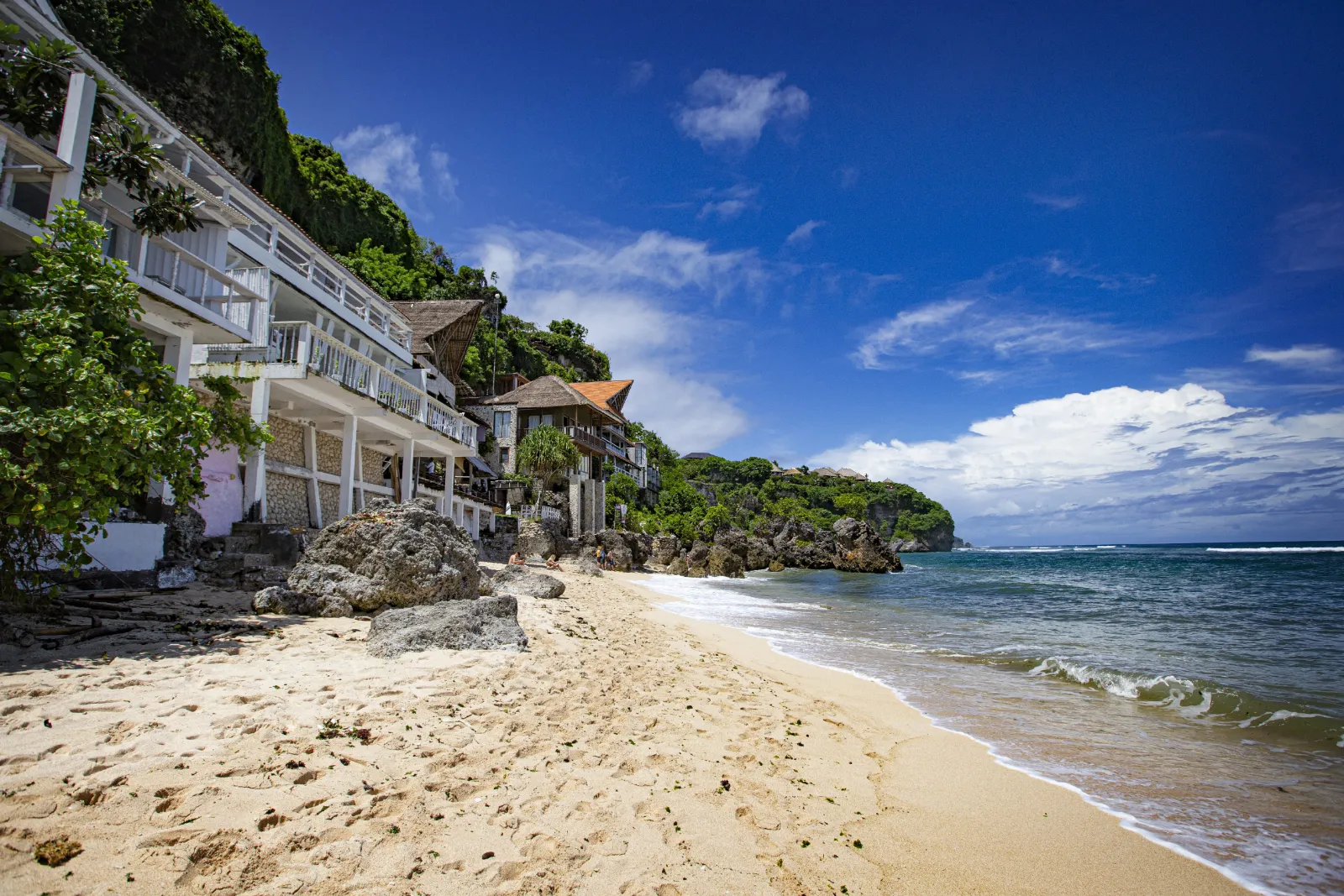
Uluwatu → Marevita Villa — Uluwatu, Bukit Peninsula
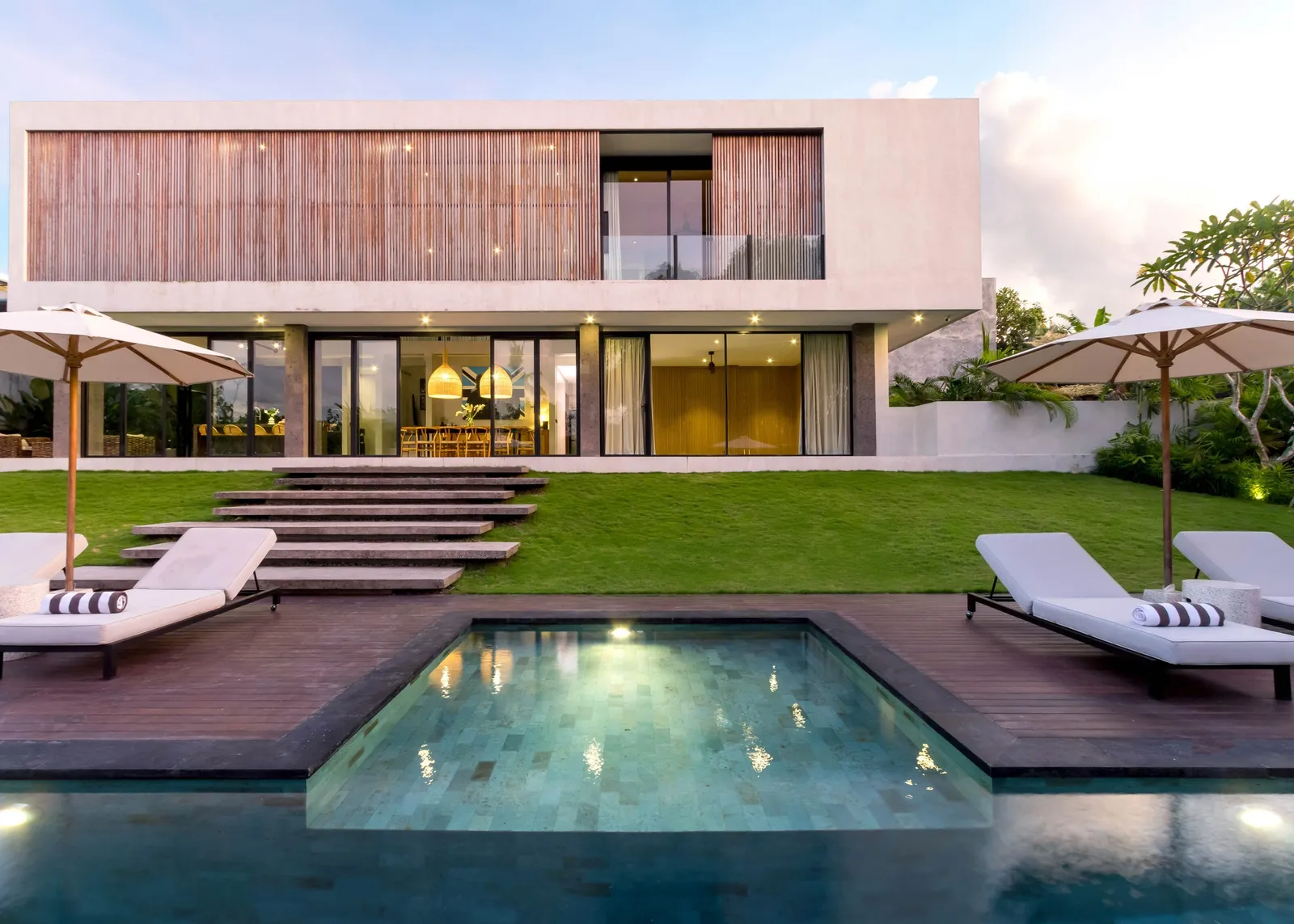
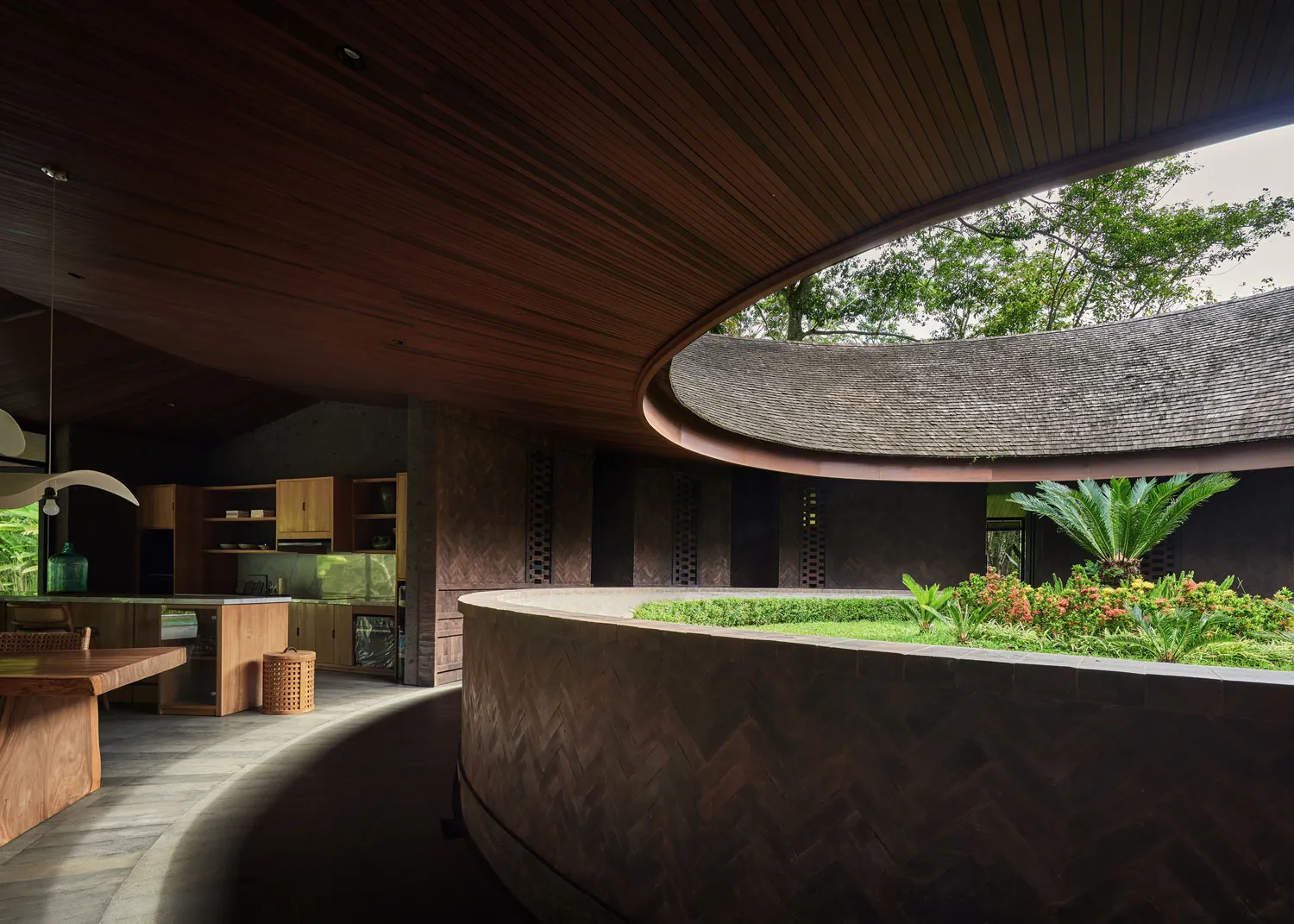
A premium villa perched above the Uluwatu cliffs with a private infinity pool, open-plan design and ocean views that are genuinely hard to find elsewhere on the Bukit. 15 minutes from Nyang Nyang Beach. Designed for couples and small groups who want the full Uluwatu experience — space, drama and complete privacy. Managed by Cabo Bali. If architecture is what you are choosing on, we rounded up the island’s best in tropical brutalism in Bali.
→ Book direct at cabobali.com — no OTA markup, plus partner discounts at top local restaurants
Also in Uluwatu: Luro Villas — our collection of one-bedroom villas in the Bingin clifftop area, private pools, range of price points. And Kona Villas — our clifftop property with direct path access to Nyang Nyang Beach.

Canggu: flat, dense, always moving
Canggu is a flat coastal neighbourhood stretching from Berawa through Batu Bolong to Echo Beach, and it is busy in a way Uluwatu never is. Cafes, surf shops, co-working spaces, yoga studios and restaurants fill every lane. It has the feel of a place that grew up fast and hasn't finished growing.
It's where digital nomads base themselves for a month. Where groups come to eat everywhere and do everything. Where you can walk out at 8am and have strong coffee and a good breakfast in five minutes, then walk out at midnight and still find somewhere to drink. Everything is accessible. Everything is on.
It's louder than Uluwatu. More chaotic. More everything. For a first-time Bali visit where you want to pack as much as possible in, it is the right call.
Rizkie, Cabo Bali "The thing that genuinely surprises Canggu guests most consistently: traffic. The roads between Berawa and Batu Bolong can be really slow at breakfast and sunset hours. If your villa is well-placed in Pererenan or central Batu Bolong you can walk most things. If it's further out, you'll spend more time moving than you planned. Where exactly you stay within Canggu matters almost as much as choosing Canggu."
Our neighbourhood pick: Pererenan
Most Canggu recommendations default to Batu Bolong — the most famous pocket, the most photographed, and consequently the most crowded. Berawa has the bigger beach clubs. Our pick is Pererenan, the quieter northern edge of what people call Canggu.
Rice fields are still visible from some villas here. The cafes are good and less packed. The crowd is slightly older — less first-week energy, more people who are actually enjoying being in Bali. You're a short scooter ride from the main Batu Bolong strip when you want it, but you're not in the middle of the noise when you don't.
Pro tip: Don't let anyone convince you Berawa is 'the best part of Canggu'. Berawa is where the big beach clubs are — Finns, Atlas — which is great for one afternoon. For actually living in Canggu for a week, Pererenan or central Batu Bolong is far more pleasant. Less noise, easier mornings.
Canggu → Vela Villas — Pererenan, Canggu
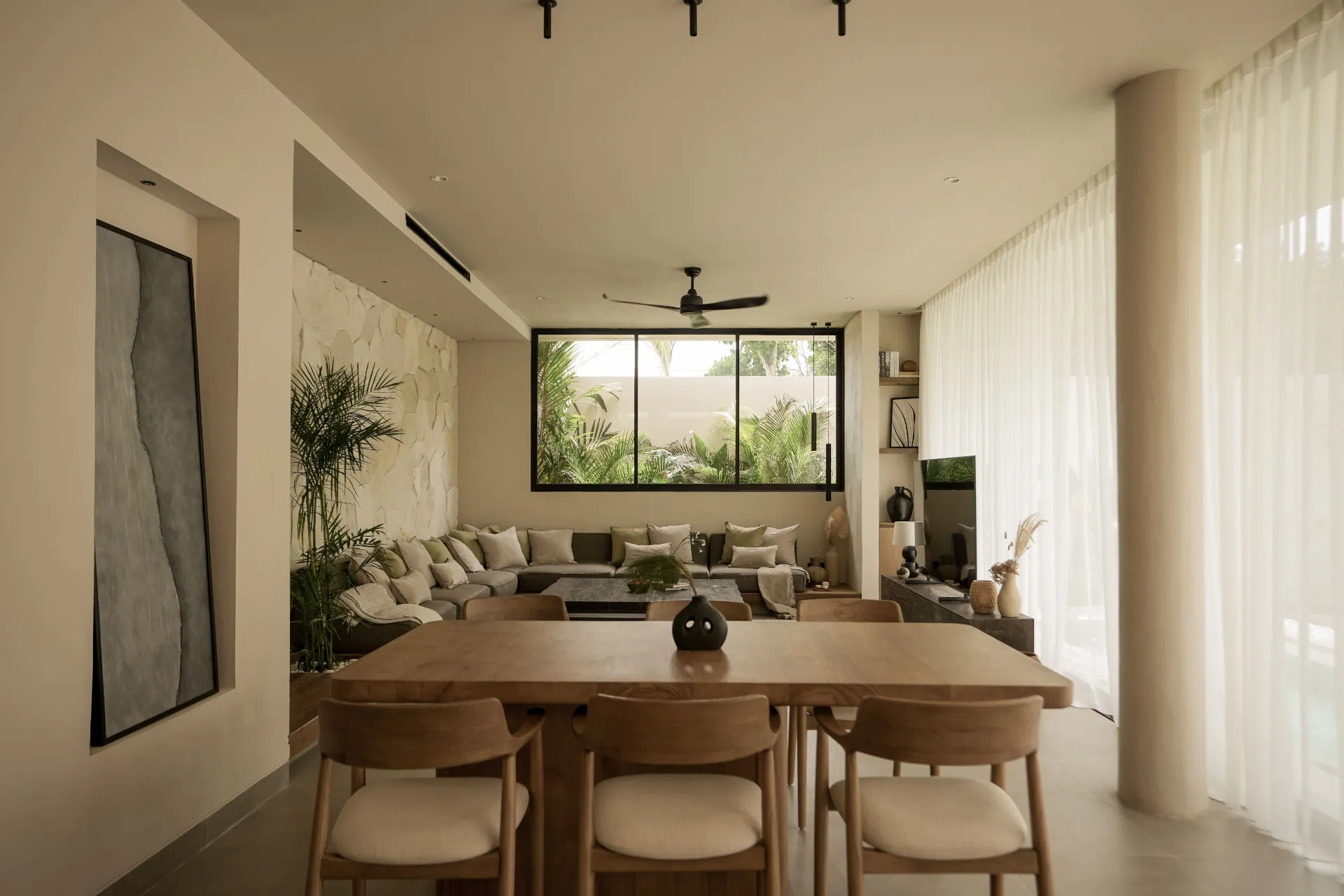
Beautifully designed villas in the calmer, residential heart of Pererenan. Private pools, considered interiors, and the neighbourhood feel that makes this our recommended corner of Canggu. Easy access to the best of the area without being in the middle of the noise. Managed by Cabo Bali.
→ Book direct at cabobali.com — no OTA markup, plus partner discounts at top local restaurants
Beaches
Uluwatu has better beaches than Canggu. That's the clear answer.
The limestone cliffs create a series of sheltered coves — white sand, turquoise water, dramatic rock formations — that are hard to match anywhere else in south Bali.
Uluwatu beaches
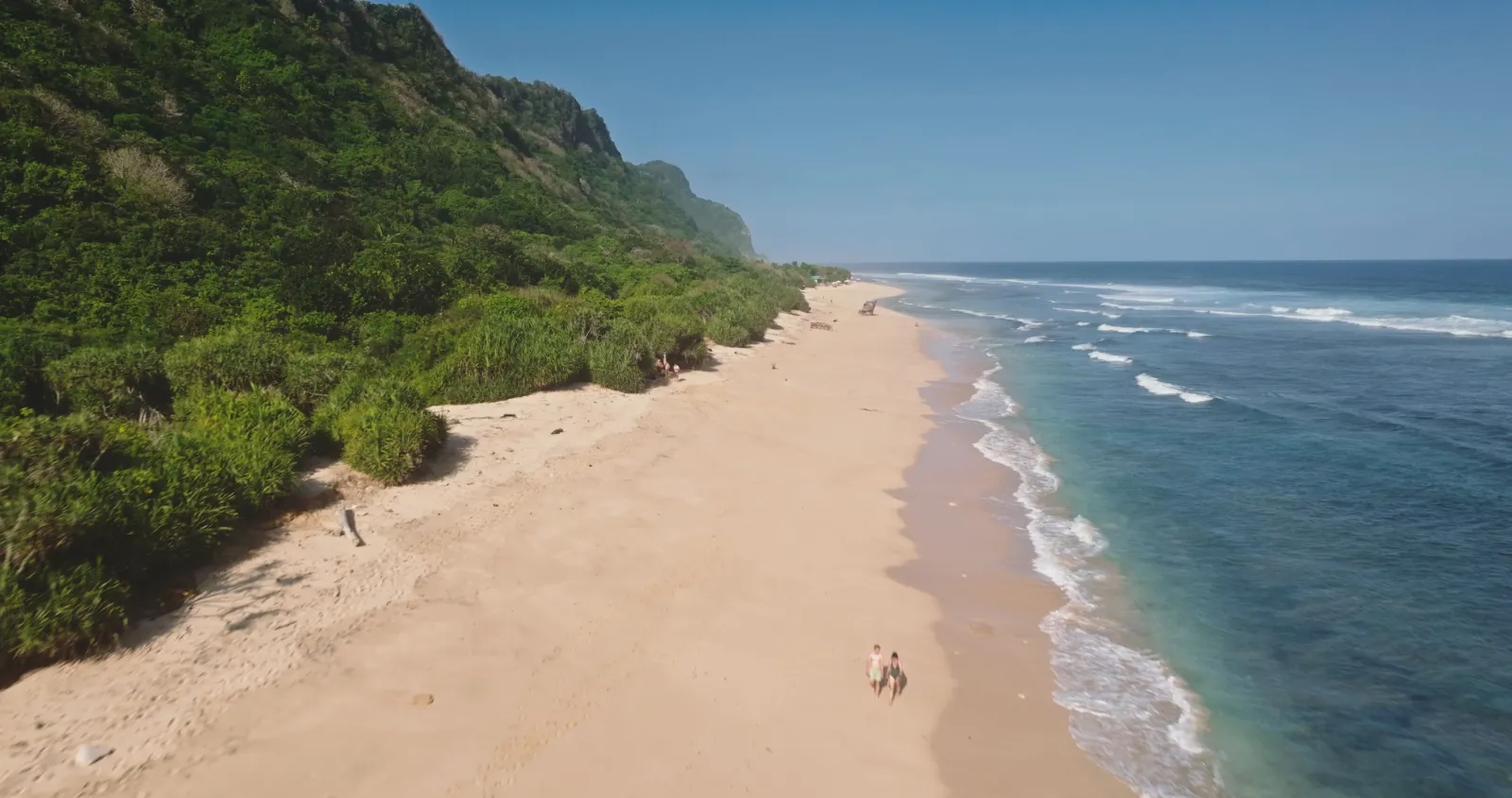
Nyang Nyang is the standout beach in Uluwatu right now — a long, uncrowded stretch of white sand tucked below the cliffs, reached by a 20–25 minute walk down a steep path. That walk keeps the numbers low and the beach genuinely wild. It's one of the most beautiful and least-visited beaches in south Bali. Balangan is the easiest to access and has a long stretch of sand with a great viewpoint cliff at the northern end. Suluban (Blue Point) is cave-like and dramatic, best explored at low tide — the cove essentially disappears when the tide is in. Padang Padang is famous from Eat, Pray, Love and worth seeing once, but tiny and gets crowded. Dreamland has the most forgiving conditions for non-surfers.
One thing to say clearly: most Uluwatu beaches have shore break and reef. They're surf-oriented. Swimming is possible but the water moves. If floating in calm water is the main goal, Uluwatu isn't the right call.
Pro tip: For Nyang Nyang Beach, wear shoes for the walk down — it's steep and rocky in sections. Go early (before 9am) or late afternoon to beat the heat. Bring everything you need: there are no vendors or facilities at the bottom. The reward is a beach that feels like it belongs to you.
Rizkie, Cabo Bali "When guests ask me for the best beach day in Uluwatu, I always say Nyang Nyang now. Yes, the walk down is steep — about 20 minutes each way — but that's exactly why it's still quiet. You get there and it feels enormous and empty. Bring water, bring snacks, bring sunscreen. There is nothing down there except one of the most beautiful beaches in Bali."
Canggu beaches
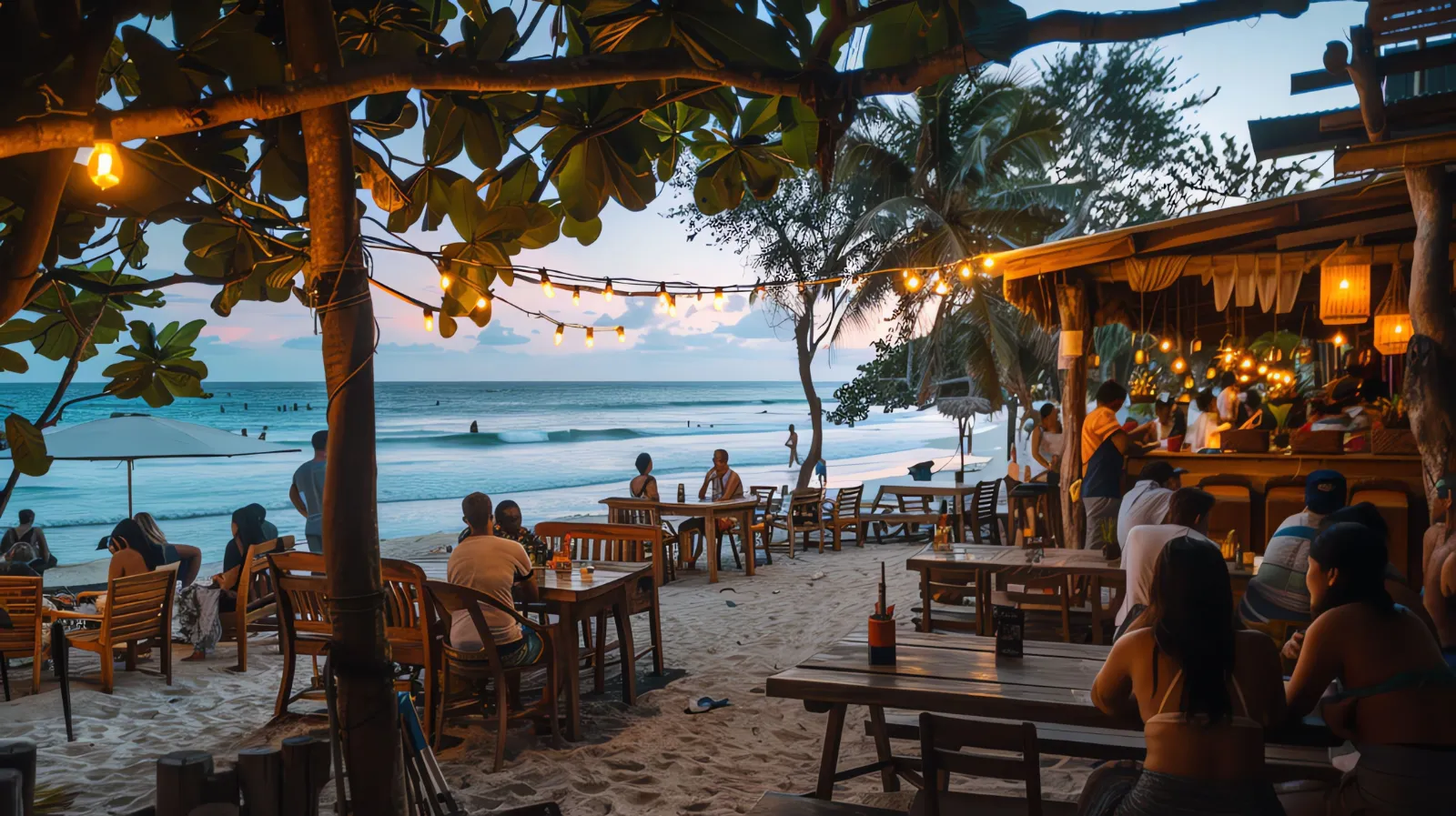
Canggu's beaches are black volcanic sand — striking in their own way but a completely different character to Uluwatu. Batu Bolong is the main beach, with a surf break and beach clubs running along the back. Echo Beach is further west and slightly rawer in feel. The water is swimmable but the waves can be strong.
The beach clubs here are the main attraction — La Brisa, Finns, Atlas. Think large, music-driven and social rather than secluded beach day.
→ Uluwatu wins this round For scenery and natural beauty, Uluwatu by a clear margin. Canggu's beaches are good for what they are — social, accessible, beach-club-friendly — but they're not the reason you'd choose Canggu over Uluwatu.
Surfing
Uluwatu is a world-class surf destination. Canggu is a better place to learn. Those two facts together tell you most of what you need to know about which to choose based on your surfing level.
Uluwatu surf
The main Uluwatu break is a long, powerful left-hander that works on all swells and gets fast and hollow when it's pumping. Padang Padang is where the Rip Curl Cup runs on the biggest swells. Bingin produces an excellent wave for intermediate to advanced surfers. Impossibles, Balangan and Dreamland each offer different options across a range of ability levels.
Almost all of these are reef breaks. The consequences for mistakes are real. If you can't confidently paddle out and read a reef break already, Uluwatu is not where you learn.
Rizkie, Cabo Bali "Every season I have guests arrive in Uluwatu planning to take surf lessons here. The lessons exist but the learning conditions don't. I redirect them to Canggu or Kuta. Uluwatu's reef breaks are genuinely not suitable for beginners and the experienced surfers in the water won't thank you for being there."
Canggu surf
Batu Bolong is a beach break with more forgiving conditions — plenty of surf schools operate here. Echo Beach gets a good swell for intermediates. The waves are less powerful, the bottom is sand not reef, and there's the full infrastructure of lessons, rental boards and coaching that doesn't exist to the same degree on the Bukit.
Pro tip: If you want to surf in Uluwatu but you're at beginner level, here's the compromise: take lessons in Canggu first for 2–3 days to get your base. Then come to Uluwatu and watch the waves. You'll enjoy it far more knowing what you're looking at, and you'll have something to come back for.
→ Uluwatu wins this roundFor experienced surfers, Uluwatu is a bucket-list destination. For beginners or intermediates building confidence, Canggu is the right base.
Food, Cafes and Restaurants
Both areas eat well. Canggu has more variety, more density and marginally lower prices. Uluwatu has fewer options but several that are genuinely world-class. The main practical difference is that in Canggu you can wander and find something good; in Uluwatu you plan ahead.
Uluwatu food
Uluwatu's food scene has transformed in the last few years. The places we recommend most consistently: Mana for healthy all-day dining with great coffee and consistent quality — probably the most reliable restaurant in Uluwatu. Mason for wood-fired dinners with proper depth and execution. Gooseberry for French-leaning brunch (book in advance). Suka Espresso for the best coffee on the Bukit. The Cave for a special occasion — underground fine dining inside a limestone cave, 22 seats, changes seasonally. One of the genuinely unmissable dining experiences in Bali.
The practical reality: you'll be on a scooter between restaurants. There's no walkable strip. Some guests love that each meal feels like a destination. Others find it tiring after a few days.
Rizkie, Cabo Bali"When guests ask me for Uluwatu restaurant recommendations, I always ask two things: are you happy to scooter 10 minutes for dinner, and do you want views or food first? The answers change everything. Single Fin is for sunsets — the food is fine. The Cave is for food — the view is a cave ceiling. Mana is where I'd eat every day if I lived here."
Canggu food
Canggu's food scene is one of the best in Southeast Asia. The density and quality of what's available — a USD 2 nasi goreng from a warung two doors down, proper natural wine at dinner, coffee that would compete in Melbourne — is remarkable for an area this size.
Brunch runs until 3pm everywhere. The cafe scene is built for people who work from them — good wifi, no pressure to leave, consistently good food. You can eat every meal for two weeks without repeating a restaurant or travelling far.
Pro tip: Canggu tip from someone who eats here regularly: avoid any restaurant with a large English menu at the entrance and photos of every dish. Walk one street back from the main Batu Bolong strip and the quality immediately improves and prices drop. The best places here don't advertise aggressively because they don't need to.
Cabo Bali guests: partner discounts at top restaurants in both areas
When you book direct with us, you get access to partner discounts at a curated list of the best restaurants and cafes across Uluwatu and Canggu. It's one of the things guests mention most in their post-trip feedback. Details are in your welcome pack on arrival.
→ Canggu wins this round Canggu wins on volume, variety and walkability. Uluwatu has standouts — including The Cave, which is worth a trip from anywhere — but Canggu is the clear winner if eating great food every day is the priority.
Evenings and Nightlife
Uluwatu evenings are sunset-first and generally wind down by 11pm. Canggu has proper late-night nightlife. If that distinction matters to your trip, it's one of the clearest reasons to choose one over the other.
Uluwatu evenings
The pattern in Uluwatu: sunset drinks at Single Fin (Sunday afternoons are legendary — DJ, crowd, the cliff edge — it runs into the evening), then dinner somewhere nearby, then bed at a reasonable hour. Ulu Cliff House is good for both food and atmosphere. Omnia is the high-end option. After that, late-night nightlife doesn't really exist. The nearest clubs are 45 minutes away in Canggu or Seminyak.
Rizkie, Cabo Bali "I've had guests in Uluwatu frustrated that there was nowhere to go at 11pm. And I've had many more who told me the enforced early nights were the best part of the trip — they woke up earlier, felt better, did more. Know which one you are before you book."
Canggu nightlife
Canggu has a real nightlife scene. Old Man's has been the neighbourhood anchor for years and consistently delivers. Finns Beach Club is enormous and runs late. Sandbar, La Brisa and Atlas each have their nights. There are proper bars and clubs, live music, DJ sets, late-closing spots. You can have a good night out without a plan.
Pro tip: Canggu nightlife peak is Thursday to Sunday. If you're there mid-week and want a livelier evening, head to Finns — they run events throughout the week and maintain the energy better than most spots that go quiet on a Tuesday.
→ Canggu wins this roundNot a close contest. Uluwatu sunsets are the best in Bali — but Canggu wins everything after 9pm.
Getting Around
Getting around Uluwatu requires a scooter. Getting around Canggu does not — but one helps.
Getting around Uluwatu
You need a scooter in Uluwatu. The area is spread across the Bukit Peninsula and there is no other practical way to move between beaches, restaurants and viewpoints spontaneously. Some beaches have local taxi restrictions — you can be dropped off but not picked up by ride-hailing apps. Your villa host will know the workarounds.
Scooter rental runs IDR 80,000–100,000 per day (roughly USD 5–6). For airport transfers and longer day trips, a private driver makes more sense than a car rental — the cliff roads on the Bukit don't reward the unfamiliar. Budget IDR 400,000–600,000 for a full day private driver.
Pro tip: International Driving Permit (motorcycle class) is required to legally ride a scooter in Bali. Police checks happen and they will find you on the tourist roads. Sort your IDP before you travel — it's valid for a year and costs very little to get from most motoring associations. Without it, you're one checkpoint away from a fine or a confiscated bike.
Getting around Canggu
Canggu is more walkable. If you're staying in a well-located villa in Pererenan or central Batu Bolong, most day-to-day needs are within a 10–15 minute walk. Grab and Gojek work reliably throughout the area.
Traffic is the issue. The roads between Canggu's neighbourhoods can be genuinely slow at breakfast and sunset hours. A scooter navigates it; a car sits in it. For day trips to Uluwatu, leave before 9am or after 10am and return before 4pm — the drive is pleasant in the right window and frustrating in the wrong one.
Pro tip: Both Grab and Gojek have a 'ride-share' car option that fits 4 people — useful for groups heading to a beach club or doing the airport run. For solo or couple travel within Canggu, GrabBike (motorcycle taxi) is faster and half the price. Set a pickup point slightly off the main tourist street if you're having trouble getting a driver to accept your request.
→ Canggu wins this roundEasier to navigate, more walkable, better ride-hailing coverage. Uluwatu requires planning around transport — but that's part of its character.
When to Go
The best time to visit Bali is during the dry season, which runs from approximately April to October. Within that window, the two areas behave differently.
Uluwatu: April–October is the clear preference
Uluwatu is a clifftop peninsula exposed on three sides. In dry season this means perfect conditions: clear skies, consistent swell, low humidity, cool evenings. The cliffs look their best. The waves are most reliable. This is when Uluwatu is at its most dramatic and comfortable.
In wet season (November–March), the exposure becomes a different thing. The swell increases, some beaches become inaccessible or rough, outdoor dining gets uncomfortable in the wind, and the clifftop character changes noticeably. It's not unvisitable — the big swell is spectacular to watch and some serious surfers specifically come for it — but it's meaningfully different from dry season.
Rizkie, Cabo Bali "July and August are peak season in Uluwatu — the surf is world-class, the weather is perfect, and the villas book out months in advance. If you're planning to come in high season, book early. If you want Uluwatu at its most relaxed, May or September are our favourite months — dry season conditions with fewer tourists and better villa availability."
Canggu: good year-round, busiest July–August
Canggu's flat, more sheltered position makes it more forgiving in wet season. Afternoon rain showers come from November onwards but the cafe and restaurant scene is entirely unaffected and the surf at Batu Bolong actually improves with more swell.
Peak season (July and August) means Canggu is genuinely packed — beach clubs fill up, restaurants need reservations, some of the neighbourhood's charm gets buried under the volume. Shoulder season (April–June, September–October) is the sweet spot: dry weather, manageable crowds, better villa availability.
Pro tip: If you're visiting in wet season and set on Bali, Canggu is the more resilient choice — the indoor scene (cafes, restaurants, co-working) barely feels the rain. If you specifically want the clifftop Uluwatu experience, wait for dry season. Wet season Uluwatu is beautiful in photos and uncomfortable in reality.
→ Uluwatu wins this roundApril–October in Uluwatu is hard to beat when conditions are right. Canggu is the more forgiving year-round option — but gets crowded in peak season in a way Uluwatu's spread-out layout absorbs more easily.
What Does a Day Actually Cost?
Here's a rough daily spend benchmark for each area based on what our guests typically spend, not including villa costs:
Daily Spend Benchmark
Typical spend per person, per day — excluding villa
| Spend category | Uluwatu | Canggu |
|---|---|---|
| Coffee & breakfast | USD 8–15 | USD 6–12 |
| Lunch | USD 10–20 | USD 8–18 |
| Dinner | USD 20–65 | USD 15–50 |
| Scooter rental | USD 5–6/day | USD 4–6/day |
| Beach club entry | USD 15–35 (incl. F&B credit) | USD 20–50 (incl. F&B credit) |
| Surf lesson | USD 35–60 | USD 25–50 |
| Typical full day (mid-range) | USD 75–120 | USD 55–100 |
Reading it: Canggu skews cheaper day-to-day — competition keeps cafe and lunch prices sharp. Uluwatu's cliff-restaurant premium pushes dinner up. Booking direct with Cabo adds partner restaurant discounts in both areas.
Canggu skews slightly cheaper day-to-day — competition keeps cafe and lunch prices sharper. Uluwatu's cliff restaurant premium pushes dinner costs up. Cabo Bali guests who book direct get partner discounts at restaurants in both areas, which takes a meaningful bite out of the food spend.
Day Trips From Each Area
Whichever area you choose as your base, you're well-positioned for day trips across south and central Bali.
From Uluwatu
- Canggu / Pererenan — 45–60 min. A full day eating and cafes. Best left early to beat traffic.
- Ubud — 90 min. Rice terraces, temples, the monkey forest, good food. Worth a full day or an overnight if you have time.
- Seminyak / Kuta — 30–40 min. Shopping, larger beach, different energy. Good for a half day.
- Nusa Penida — Fast boat from Sanur (1.5 hrs each way). Kelingking Beach, crystal-clear water, dramatic scenery. Full day, leave very early.
From Canggu
- Uluwatu — 45–60 min. Cliffs, Kecak dance at sunset, dinner at The Cave. The most popular day trip in south Bali for good reason.
- Ubud — 60–75 min. Same as above. Canggu is actually slightly better positioned for Ubud than Uluwatu.
- Tanah Lot — 30 min north. Iconic sea temple at sunset. Short trip, worth seeing once.
- Mount Batur sunrise hike — 2 hrs from Canggu. Leaves at 2am, back by noon. Physically demanding but remarkable. Book with a guide.
Pro tip: For either area: don't attempt a full day trip to Ubud and Uluwatu (or similar long combinations) on the same day. The distances look manageable on a map and the traffic will break you. Pick one destination per day trip and do it properly.
Practical Tips for Each Area
ATMs and money
Both areas have ATMs but neither is as cash-flush as Seminyak or Kuta. In Uluwatu, the most reliable ATM cluster is at the Jl. Labuansait junction near Mason. In Canggu, Batu Bolong has several. Avoid airport and tourist-area ATMs with the Dynamic Currency Conversion prompt — always select 'charge in IDR' not your home currency. Carry more cash than you think you need in Uluwatu — some smaller warungs don't take cards and the nearest ATM might be 15 minutes away on a scooter.
SIM cards and internet
Buy a local SIM card at the airport arrivals hall — Telkomsel (best coverage) or XL are both reliable. Costs around IDR 100,000–150,000 (USD 6–9) for 30 days of data. WhatsApp and Google Maps are essential in both areas. In Uluwatu specifically, coverage is patchy on some cliff roads and near certain beaches — download offline Google Maps for the Bukit Peninsula before you arrive.
What to pack differently for each area
Uluwatu: Reef shoes or water shoes if you're spending time at Suluban or Bingin (reef and rocks). A light jacket for evenings — the cliff wind gets cool. More SPF than you think you need — the cliff exposure is intense.
Canggu: Rain jacket for wet season afternoon showers. More casual clothes — Canggu is social and the dress code at better restaurants is smart-casual. A small backpack for cafe days where you might work or explore for several hours.
Pro tip: For both areas: download the Grab app before you land, set up payment in your home currency, and test it once at the airport. It will save you a significant amount of time and stress in those first few hours when you just want to get to the villa.

Who Each Area Is Actually Right For
Stay in Uluwatu if you:
- Want dramatic clifftop scenery and sunsets over the ocean
- Surf at intermediate to advanced level — or want to watch world-class surfing
- Are travelling as a couple or on a honeymoon
- Have been to Bali before and want something slower and more beautiful
- Are comfortable on a scooter and happy to plan your days around transport
- Want space, privacy and a villa where you can genuinely switch off
Stay in Canggu if you:
- Are visiting Bali for the first time and want to experience as much as possible
- Are travelling solo or in a group looking for a social scene and nightlife
- Work remotely and need good cafes and reliable wifi throughout the day
- Want late nights and bars within walking distance
- Want to eat exceptionally well without planning every meal in advance
- Are learning to surf or at beginner to intermediate level
Rizkie, Cabo Bali "The most consistent pattern I see: first Bali trip in Canggu, they love it. Second or third trip, they book Uluwatu because they want something different — quieter, more beautiful, a different kind of memorable. Both decisions are right. They're just right at different stages of knowing what you want from Bali. And honestly? The guests who do both in one trip — four or five nights each — usually say it was the best holiday they've had."
Frequently Asked Questions
Is Uluwatu better than Canggu?
Neither is objectively better — they suit different travellers and different trips. Uluwatu has more dramatic scenery, the best beaches in south Bali, and a quieter pace. Canggu has more restaurants, better nightlife, and a more social energy. Most people who spend time in both love both for different reasons.
How many days do I need in Uluwatu?
Three to five days is the sweet spot for Uluwatu. Three days is enough to see the main beaches, catch a sunset at Single Fin and eat well. Five days lets you slow down, find a rhythm and actually appreciate the pace. Beyond a week, you may start to feel the limited walkability and want more variety — which is when a few days in Canggu or Ubud makes sense.
How many days do I need in Canggu?
Four to seven days works well for Canggu. It takes a day or two to find your feet — figure out your favourite cafe, get the scooter sorted, discover which streets to walk. After that it has enough variety to sustain a week comfortably. Digital nomads regularly stay for a month. If you're there for less than three days you'll feel like you just got started.
Is Uluwatu safe?
Yes, Uluwatu is safe. The main things to be aware of are practical rather than safety concerns: the roads on the Bukit are narrow and require careful scooter riding, especially on blind cliff bends; monkeys near Uluwatu Temple will take anything shiny or food-shaped from your hands; and the sea conditions at most beaches are not beginner-friendly. Exercise normal travel caution and you will have no problems.
Is Canggu safe?
Yes, Canggu is safe. The most common issues travellers encounter are scooter accidents (inexperienced riders, traffic, unfamiliar roads), bag theft if valuables are left visible on a parked scooter, and the occasional scam from unlicensed drivers or vendors. Stick to well-lit areas at night, use Grab and Gojek rather than unmetered taxis, and the area is straightforward.
How far is Uluwatu from Canggu?
Approximately 45–60 minutes by scooter or car, depending on traffic and exactly where you're travelling from. It's a comfortable day trip in either direction. Avoid the drive between 5–7pm when the roads back to Canggu through Kuta are congested.
Can I visit both in one trip?
Absolutely — and we'd recommend it. A common split is four to five nights in one area and three to four in the other. If you only have a week, base yourself in one and do the other as a day trip. Moving villas mid-trip adds logistical overhead that eats into your time more than people expect.
Which is better for families?
Canggu has more family-friendly infrastructure — more variety of restaurants with children's menus, easier navigation, walkable streets. Uluwatu's beaches have significant shore break and reef which limits safe swimming for younger children. That said, a private villa with a pool in Uluwatu — where the pool becomes the daily activity — works extremely well for families who want space and calm.
Which has better villas?
Both areas have excellent villas, with different characters. Uluwatu villas — like Marevita in Bingin — tend to have more dramatic positions: clifftop outlooks, ocean views, large outdoor spaces designed around the landscape. Canggu villas — like Vela Villas in Pererenan — often have a more tropical garden feel with residential calm and easy cafe access. The right villa depends on what you're optimising for.
Which is the best beach in Uluwatu in 2026 — Bingin or Nyang Nyang?
Nyang Nyang is the answer for 2026. In 2025, local authorities demolished the beach accommodation and restaurants that had operated at Bingin Beach for years, removing much of what made it a destination for a full beach day. The beach itself remains accessible but the warung scene and the laid-back day-at-the-beach experience it was famous for is largely gone.
Nyang Nyang has stepped into that gap — a long, dramatic stretch of white sand below the southern cliffs, reached by a steep 20-minute walk that keeps it uncrowded. No vendors, no facilities, just an exceptional beach. It's now our top recommendation for a proper Uluwatu beach day.
If you want to stay close to Nyang Nyang, Kona Villas is the villa we recommend — positioned right on the Nyang Nyang clifftop with direct access to the path down to the beach. Managed by Cabo Bali, book direct for the best rate.
Wet season (approximately November–March) brings more swell, more wind and afternoon rain. The cliffs are dramatic in this weather and the surf gets excellent. But some beaches become inaccessible, outdoor dining gets uncomfortable, and the conditions are significantly different from dry season. For a first Uluwatu visit, wait for dry season. Wet season is for people who know what they're getting.
Do Cabo Bali guests get restaurant discounts?
Yes. Guests who book directly with Cabo Bali get access to partner discounts at a curated list of restaurants and cafes across Uluwatu and Canggu. Details are in your welcome pack on arrival. It's one of the things guests mention most in their feedback — and it applies in both areas, so if you're splitting a trip between Uluwatu and Canggu you're covered throughout.
Key takeaways
- Uluwatu is a clifftop peninsula with the best beaches in south Bali, world-class surf and a slower pace — best for couples and repeat visitors.
- Canggu is flat, dense and social — exceptional cafes, real nightlife and walkability — best for first-timers, solo travellers and remote workers.
- The two areas are only 45–60 minutes apart, so visiting both in one trip (roughly four–five nights each) is easy and widely recommended.
- For a 2026 Uluwatu beach day, head to Nyang Nyang — the Bingin Beach warung scene was demolished in mid-2025.
- Canggu suits families and beginner surfers; Uluwatu suits privacy-seekers, confident scooter riders and intermediate-to-advanced surfers.
Where to Stay
We manage villas in both Uluwatu and Canggu — so whichever you choose, we can set you up properly. Book direct and you pay less than the OTA rate, skip the platform fees, and get access to restaurant partner discounts across both areas.
Uluwatu → Marevita Villa — Uluwatu, Bukit Peninsula
A premium clifftop villa with private infinity pool, open-plan design and ocean views. 15 minutes from Nyang Nyang Beach. For couples or small groups who want the full Uluwatu experience.
→ Book direct at cabobali.com — no OTA markup, plus partner discounts at top local restaurants
Also in Uluwatu: Luro Villas — our collection of one-bedroom villas in Bingin. Private pools, same clifftop location, range of price points.
Canggu → Vela Villas — Pererenan
Beautifully designed villas in the calmer residential heart of Pererenan. Private pools, considered interiors, easy access to the best of Canggu.
→ Book direct at cabobali.com — no OTA markup, plus partner discounts at top local restaurants
About the author. Rissa Prima is Digital Marketing Manager at Cabo Bali, which manages boutique villas across Uluwatu, Bingin and Canggu. Rissa writes from the operator's side of Bali villas — real numbers, real guest feedback, and lessons from the team running the portfolio day to day.
Further Reading
- → The Ultimate 2 Day Uluwatu Itinerary for Couples
- → How to Spend 48 Hours in Canggu
- → Best Restaurants in Uluwatu — coming soon
- → Staying in a Villa in Bali: What to Expect — coming soon
- Ubud vs Uluwatu: Jungle or Beach for Your Bali Trip?
- Uluwatu vs Seminyak: Which Should You Stay In?
- The Best Beach Clubs in Uluwatu
- The Best Padel Clubs in Uluwatu
- The Best Beach Clubs in Canggu
- The Best Padel Clubs in Canggu
- The Best Wellness in Uluwatu: the complete guide
- Nyang Nyang & Ungasan: A Guide to the Bukit's Hidden Beaches
Sources & References
This comparison draws on Cabo Bali’s first-hand experience hosting guests across Uluwatu and Canggu, supported by the authoritative industry, government and primary sources below (last reviewed June 2026).
- AirDNA — Bali short-term rental market data — Market-wide villa occupancy benchmark (~46–47% across 84,000+ Bali listings); the baseline that well-managed villas, including Cabo Bali's portfolio at 91% average occupancy, outperform.
- BPS-Statistics Indonesia, Bali Province — Tourism Overview, December 2025 — Official Bali tourist-arrival data (572,668 foreign visitors in December 2025), used for visitor-volume and seasonality context.
- The Bali Sun — Bingin Beach demolition and redevelopment coverage — Reporting on the 2025 demolition of Bingin Beach warungs and the proposed redevelopment, behind our Nyang Nyang recommendation.
- Surfer — “The Demolition of Bali's Bingin Beach Has Sadly Begun” — Independent reporting confirming the scale and timing of the 2025 Bingin Beach demolition.
- Surfline — surf forecasts and break guides — Wave, swell and seasonal conditions for Uluwatu and Canggu breaks, used for the surf-level comparison.
- Bali Hotels Association — Accommodation occupancy and tourism-industry context for south Bali.
- Directorate General of Immigration, Republic of Indonesia — Official visa-on-arrival and entry-requirement information for visitors to Bali.
- Telkomsel — Mobile-network coverage and prepaid SIM/data details referenced in the connectivity tips.
- Grab — Ride-hailing and transport coverage across Uluwatu, Canggu and the airport.
- Gojek — Ride-hailing and transport coverage across Bali, referenced in the getting-around tips.