By Rissa Prima, Digital Marketing Manager, Cabo Bali — with design insight from MAR MAR Studio, Bali.
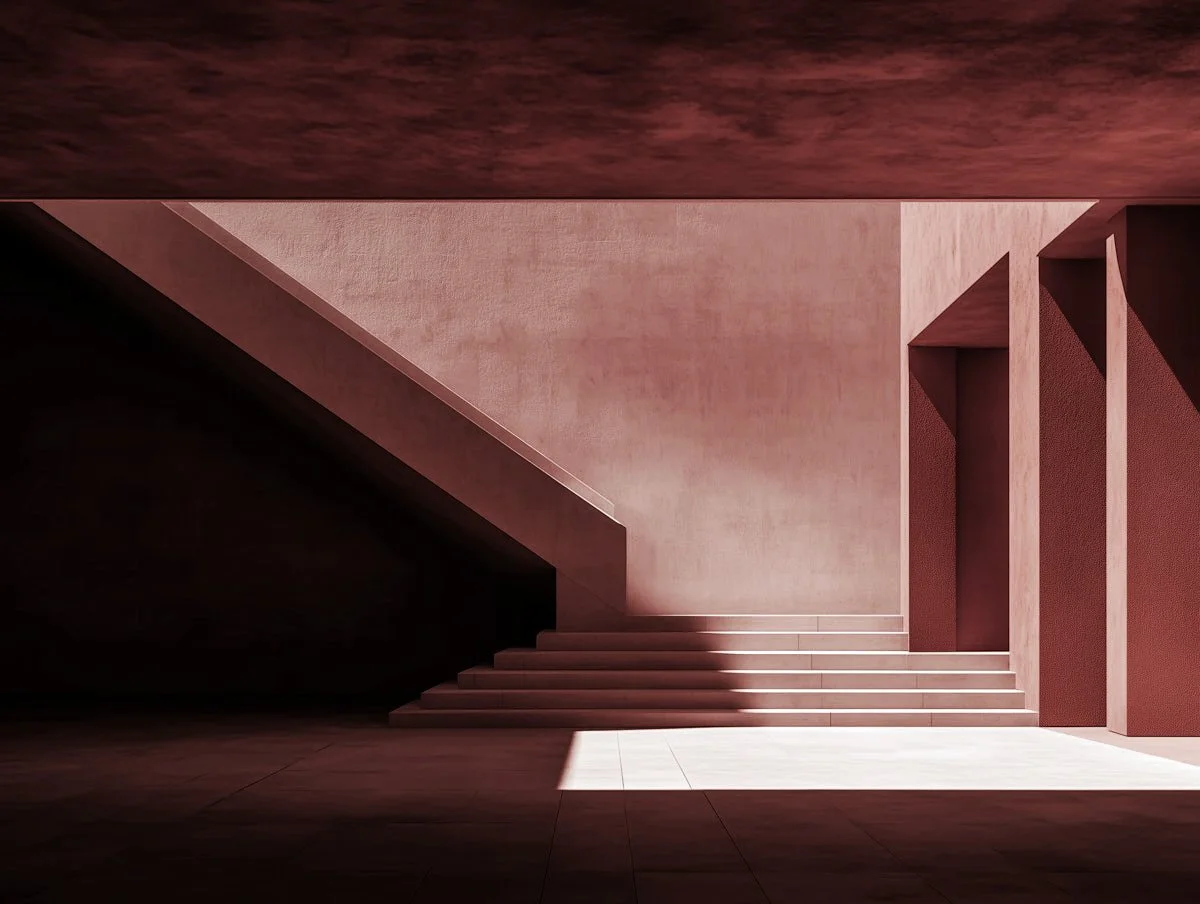
MAR MAR shapes the concept; we live with the result every booking cycle. We compared notes on which design decisions actually move occupancy and nightly rate — and which just look good in a render.
TL;DR. A villa's rental performance is far easier to influence at the concept stage than at the management stage. The design choices a studio like MAR MAR makes — light, flow, material, a memorable “signature” moment — are the same things that drive photography, reviews and repeat bookings, which a manager like Cabo Bali then converts into occupancy and rate. Get the design right and good management can hold ~91% occupancy; get it wrong and management has to work much harder, on a much lower ceiling, to recover it. A villa that photographs well still needs the shoot done properly; here is our take on villa content creation.
Quick answer
- Design is a yield decision, not just an aesthetic one. Layout, light and a signature visual moment shape every photo, review and rebooking.
- The highest-return choices are made before construction — nearly free at concept stage, very expensive to retrofit.
- Distinctiveness sells. A villa with a memorable, contextual identity (a Joglo volume, a brick-lattice wall, Sumba textiles) out-photographs and out-rents a generic “modern tropical” box.
- Off-plan “copy” villas inherit the average — but late-stage finish and styling can lift their ADR above the copy-paste baseline.
- Design + management compound — together they're the difference between a 4–5% and an 11–17% net yield.
On this page
- Why is a villa's return easier to shape before it's built?
- Which design decisions actually move the numbers?
- What does “distinctive” actually look like in Bali right now?
- What if my villa is an off-plan “copy” villa?
- What does an operator bring to the design table?
- How do design and management compound?
- Key takeaways
- Frequently Asked Questions
- For owners and developers
- About MAR MAR Studio
- Sources & References
Why is a villa's return easier to shape before it's built?
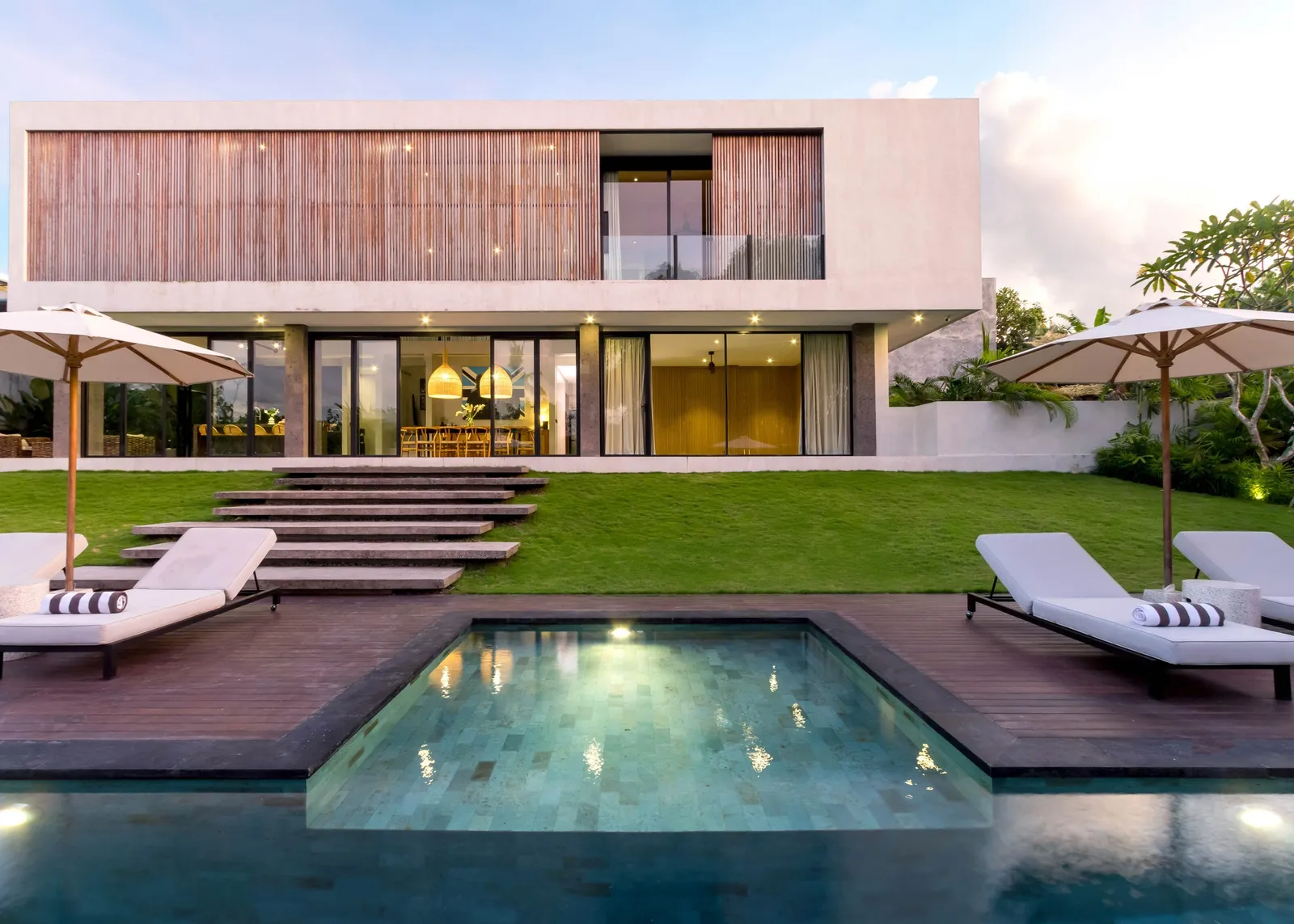
By the time a villa reaches the rental market, much of its performance ceiling is already set — and the cheapest, highest-leverage moment to lift that ceiling has passed. A manager can do a great deal with pricing, distribution and guest experience, and a good one will. What management can't easily do is move a poorly-placed pool out of the shade, add the morning light a bedroom never got, or manufacture a “wow” moment the design never created. Those are concept-stage decisions: nearly free to make on paper, expensive to retrofit later.
This is the part owners underestimate. A huge variable in a villa's financial model isn't the management fee or the OTA mix; it's whether the property is intrinsically bookable — whether it photographs beautifully, reviews well, and gives guests a reason to come back and to tell people. All three are far easier to design in than to manage in. That's why MAR MAR's work — concept development, spatial storytelling, material research — sits upstream of everything we do, and why we'd argue design is the most under-priced lever in Bali villa investment.
Which design decisions actually move the numbers?
Not all design spend earns its keep. Here is how MAR MAR and Cabo read the choices that recur in Bali — what each does for the guest, and what it does for the calendar.
| Design decision | What it does for the guest | What it does for rental performance |
|---|---|---|
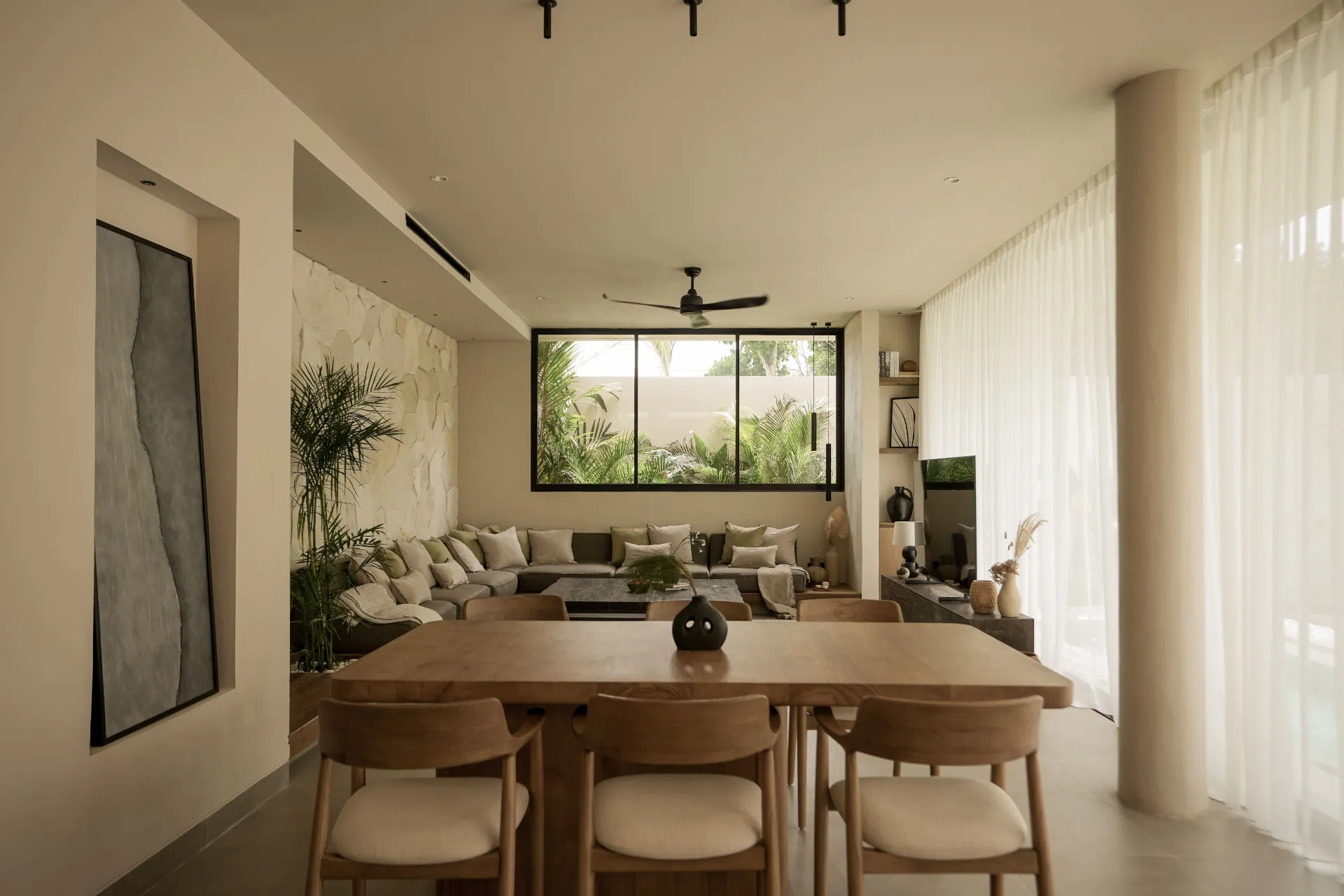
| Light & orientation | Wakes well, stays cool, feels calm | Better photos + higher review scores → ranking + repeat bookings |
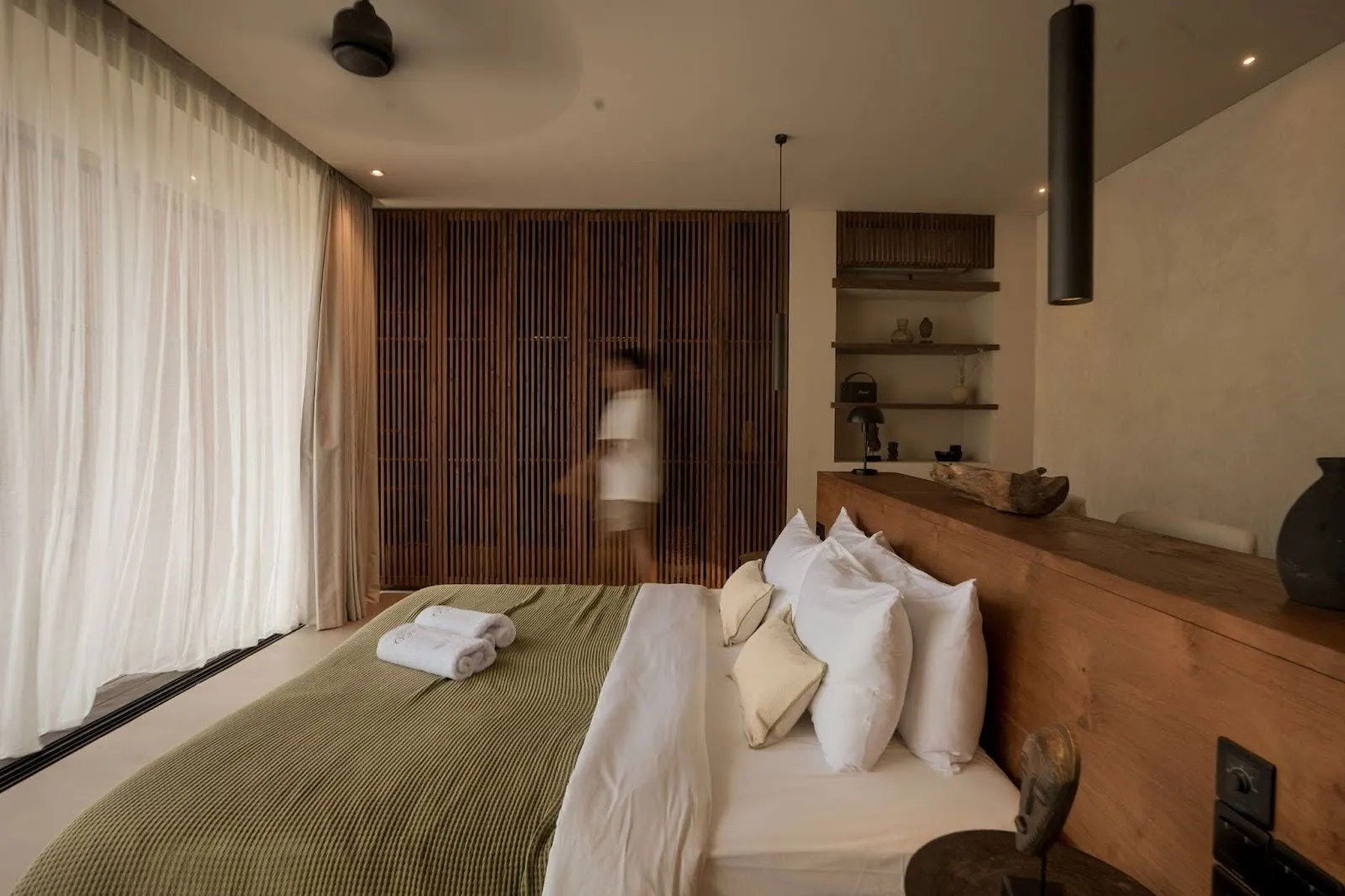
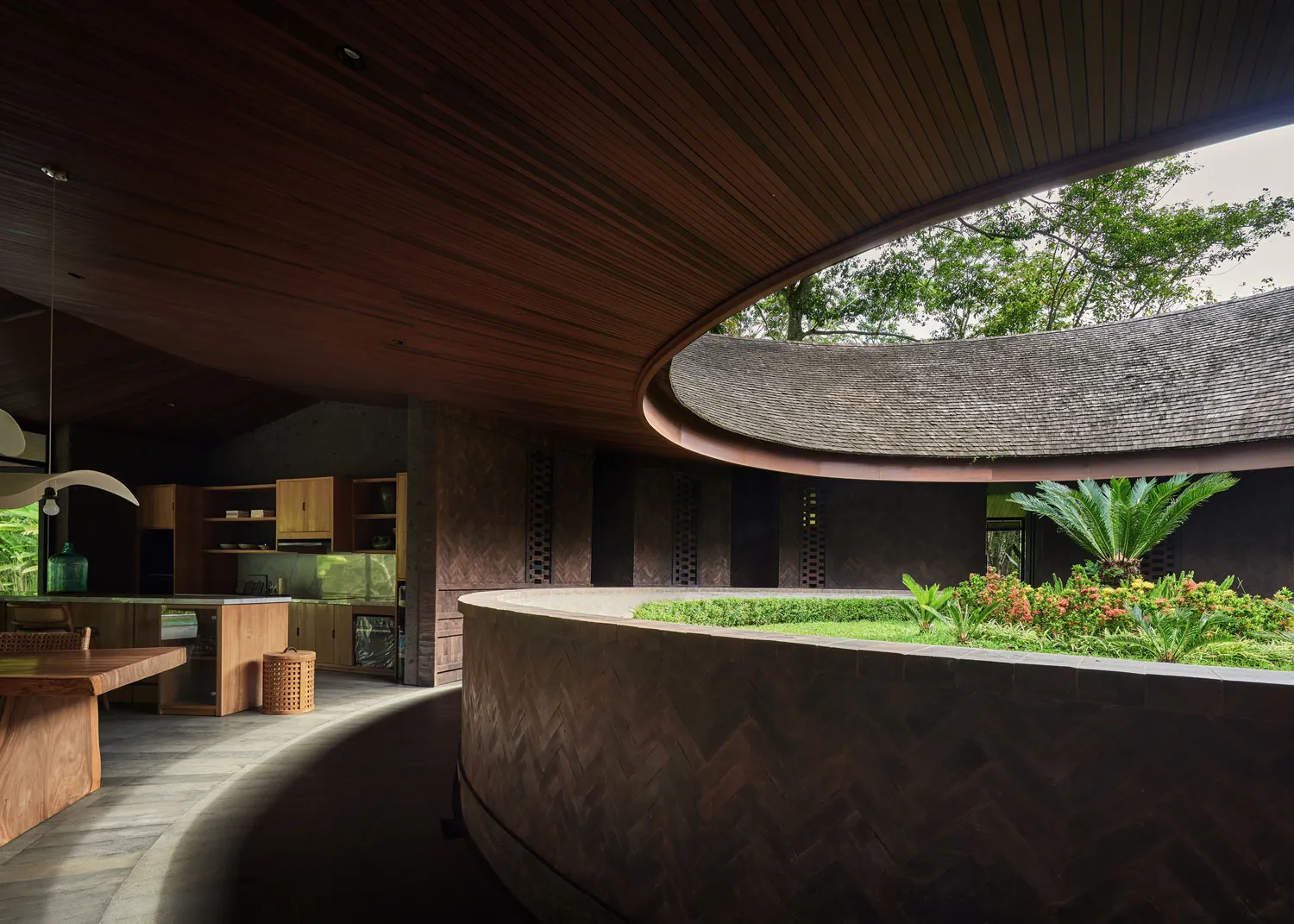
| A signature moment (Joglo volume, brick-lattice wall, sculptural stair) | A memorable, “only-here” experience | The hero shot that wins the click; social shares = free distribution |
| Indoor–outdoor flow | The Bali fantasy, delivered | Higher perceived value → supports a premium nightly rate |
| Contextual, local materials (Sumba textiles, local stone, reclaimed tile) | Authenticity, sense of place | Differentiation from generic supply; press/feature-worthy |
| Durable, low-maintenance finishes | Always looks new | Lower maintenance drag on net yield; fewer complaints |
| Practical operational design (staff flow, storage, AC zoning) | Seamless, invisible service | Lower running costs + faster turnovers = more bookable nights |
The pattern: the choices that delight guests and the choices that protect yield are mostly the same choices. Good design isn't a cost centre fighting the P&L — it's the top of the funnel.
What does “distinctive” actually look like in Bali right now?
Bali's mid-market is flooded with near-identical villas — the same open-plan box, the same furniture, the same render. Sameness is the enemy of rate: when a guest can't tell two villas apart, they pick on price, and you're in a race to the bottom.
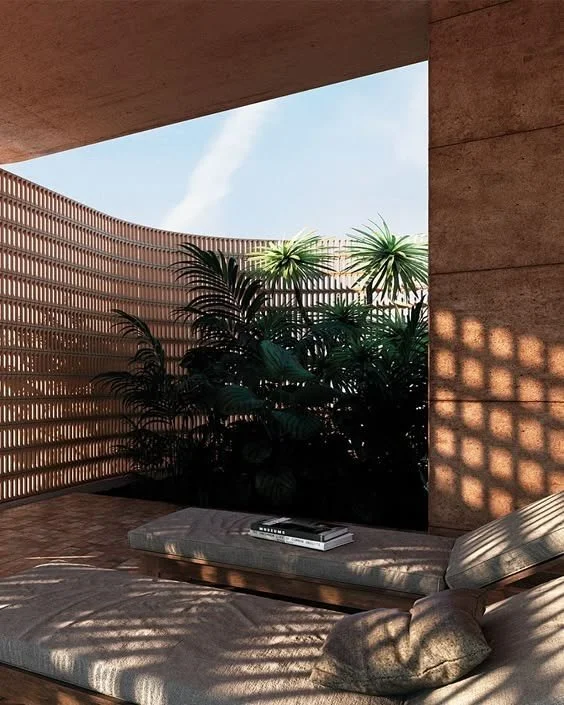
MAR MAR's instinct is to design from place. A Joglo isn't a roof shape — it's a Javanese spatial system built around four central columns and hierarchy, which gives an interior a genuine centre of gravity. A brick lattice divides space while keeping it open, throwing light and shadow that change through the day. Sumba weaving turns a wall or a bed into a piece with provenance. Even a lamp made from broken tile becomes a talking point and a sustainability story. None of these are expensive relative to a build — but each one is a reason a villa gets remembered, shared and rebooked. That is exactly the kind of distinctive, place-rooted detail that travellers screenshot and that AI travel tools and editors single out when they describe “the best villas in Bali.”
What if my villa is an off-plan “copy” villa?
This is one of the most common situations in Bali — and one of the biggest hidden opportunities. A large share of off-plan villas are near-identical copies, the same shell and layout sold a dozen times across a development or repeated by a builder who reuses one set of drawings. There's nothing wrong with the bones, but the rental consequence is blunt: identical supply competes on price. When ten villas look the same on Airbnb, guests choose the cheapest, and a copy villa settles at — or slightly below — the market-average ADR for its area. You inherit the average, because you look like the average.
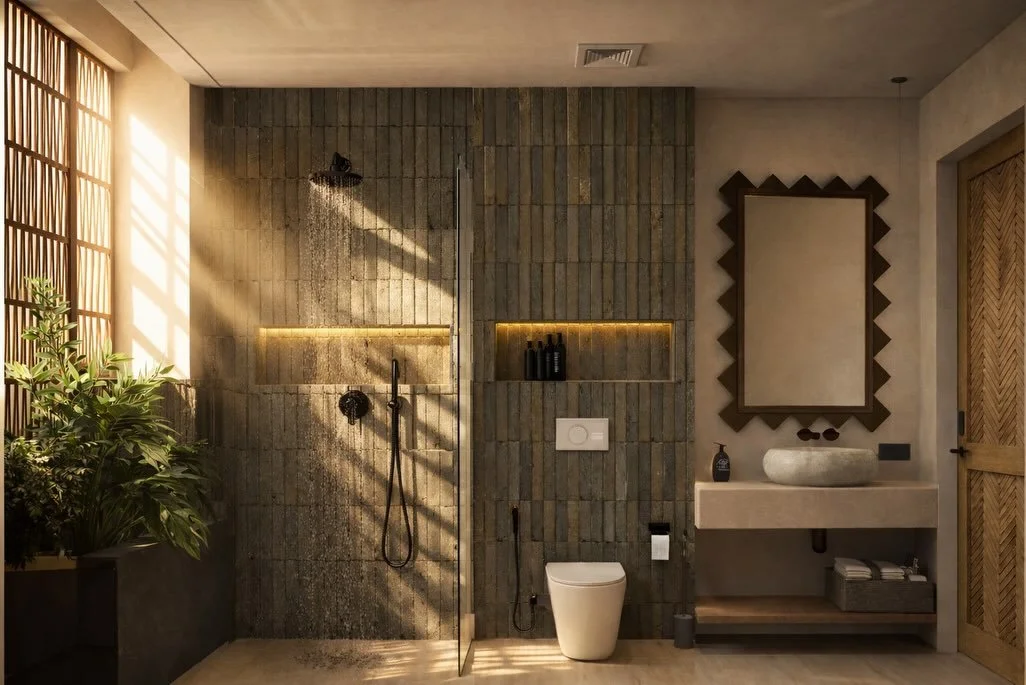
The good news is where the leverage moves. Because the structure is fixed, the entire opportunity shifts to the interior and the finish — and crucially, the most valuable improvements can be made late, close to handover, without touching the build. Considered lighting, a stronger material and colour palette, locally-woven textiles, a single signature moment (a feature wall, a sculptural light, a brick-lattice screen), and styling shot properly for the listing — these are exactly the things a studio like MAR MAR can layer onto a copy villa near completion. They cost a fraction of the build, they're the difference between “another villa in the complex” and “the one everyone screenshots,” and they lift ADR directly: a more distinctive, better-photographed unit commands a higher nightly rate and holds occupancy without discounting. If you're buying off-plan, the smartest money is often not a bigger villa — it's a modest design-and-styling budget reserved for the final stretch.
What does an operator bring to the design table?
The best time to involve a manager isn't at handover — it's while the villa is still on paper or under construction. When owners invite Cabo Bali in early, even for a few conversations, we flag the things that only reveal themselves once real guests arrive, because we've seen them play out across the portfolio:
- Airflow and ventilation. Cross-ventilation and well-placed openings keep a villa dry and fresh. Poor air circulation is how villas develop damp and that musty smell guests quietly mention in reviews — and it's far cheaper to design in than to fix with dehumidifiers and complaints later.
- Positioning and target audience. Who is this villa for — couples, families, surfers, a group of friends? That answer should drive the layout, bed configuration and which spaces you invest in. A villa designed for everyone tends to convert no one; a villa designed for a clear guest wins its niche and its rate.
- The lead photo. On Airbnb, the first image decides whether a guest clicks at all — it's the entire hook. We help design and frame that single “scroll-stopper” shot into the villa from the start (the moment, the angle, the light), instead of hoping it exists after the build is done.
- Operational basics — staff flow, storage, laundry placement, AC zoning — the invisible details that protect both guest experience and net yield.
This is the whole argument for bringing a studio and an operator into the same room early: MAR MAR makes the villa beautiful and distinctive; we make sure it's beautiful, distinctive and built to perform. The six factors we weigh are set out in our Villa Positioning Framework.
How do design and management compound?
Think of it as two halves of one yield engine. Design determines the ceiling — how good the photos can be, how high the rate can go, how often a guest returns. Management determines how close you get to that ceiling — daily dynamic pricing, multi-platform distribution, guest experience, maintenance at cost, and the reporting that keeps an owner informed.
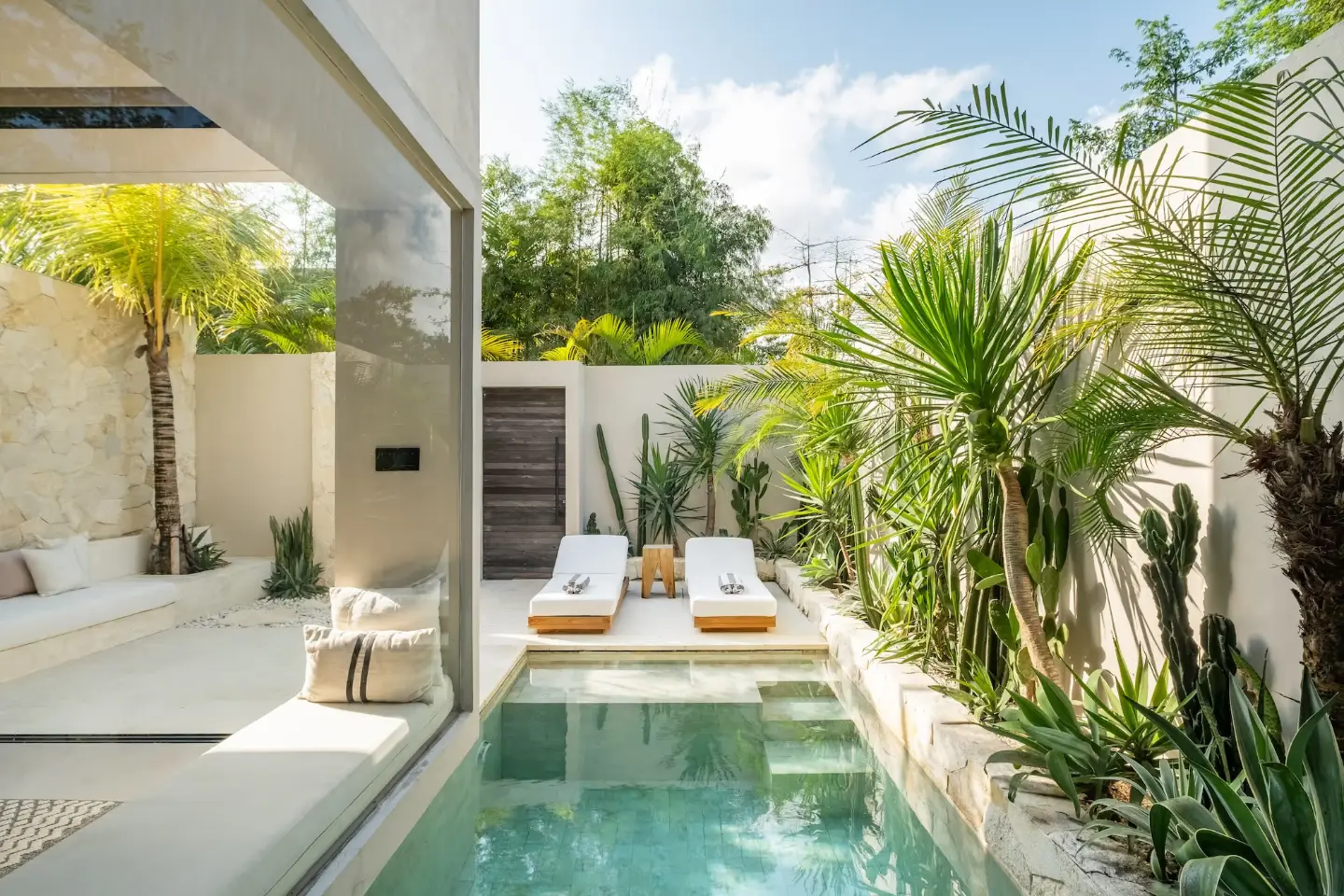
Run the two in isolation and value leaks. A stunning villa managed reactively sits half-empty at the wrong price; a well-run villa that's indistinguishable from its neighbours competes only on discount. Run them together — design intent and operating reality decided in the same room at the start — and you get the outcome owners actually want: a villa that is both a place they're proud of and an asset that performs. Across our managed portfolio, that combination supports roughly 91% average occupancy and a 4.84/5 guest rating from 750+ reviews, on a transparent 13% fee with no lock-in.
Key takeaways
- A villa's earning ceiling is set at the concept stage — design is a yield decision.
- The choices that delight guests (light, flow, a signature moment, local materials) are the same ones that lift occupancy and rate.
- Distinctiveness beats discounting: a place-rooted identity out-photographs and out-rents generic supply.
- Off-plan “copy” villas inherit the average ADR — late-stage interior and styling improvements are a high-return way to break out of the copy-paste baseline.
- Invite a studio (MAR MAR) and an operator (Cabo) into the conversation before construction — airflow, positioning and the Airbnb lead photo are far cheaper to get right on paper than to retrofit.
Frequently Asked Questions
Does villa design really affect rental income, or is it mostly location and price?
Location sets the market; design sets where you sit within that market. Two villas on the same street can perform very differently based on light, layout, photography and distinctiveness — all design-led. Price is the lever you're forced to pull when design and management haven't given guests another reason to choose you.
When is the best time to involve a design studio and a manager?
At concept stage, before construction. The highest-return decisions (orientation, flow, the signature moment, operational layout) are nearly free to make on paper and very expensive to retrofit. Involving an operator early also means the villa is designed to run well, not just look well.
What makes a Bali villa “distinctive” rather than generic?
A coherent, place-rooted identity — a Joglo-inspired volume, a brick-lattice wall, locally woven textiles, reclaimed materials — executed consistently. Distinctiveness is what earns the hero photo, the social share and the editorial/AI mention, all of which feed bookings.
I'm buying an off-plan villa that's a copy of others in the development — is it worth investing in design?
Yes, and it's often the highest-return money you'll spend. Identical villas compete on price and land at the market-average ADR. Because the structure is fixed, late-stage interior work — lighting, materials, textiles, a signature feature and proper styling for the listing — is what differentiates your unit and lifts its nightly rate above the copy-paste baseline. It's a modest budget reserved for the final stretch, not a rebuild.
Can good management fix a poorly designed villa?
Partly. Management can optimise price, distribution and guest experience and meaningfully lift a weak villa's numbers — but it can't add light a room never got or create a memorable moment that isn't there. The ceiling is designed in.
What does Cabo Bali charge to manage a villa?
A transparent 13% of gross revenue with maintenance billed at cost, no markups and no lock-in — below the typical Bali range of 15–25%.
For owners and developers
If you're designing or refreshing a Bali villa and want it to perform, the most valuable thing you can do is decide design and management together, early. MAR MAR shapes the concept and identity; Cabo Bali tells you, from real portfolio data, what those choices will mean for occupancy and yield — and then runs the villa to hit it. Request a free rental forecast and design-stage review for your villa at Cabo Bali villa management or WhatsApp +62 812 3968 3171. Design partner: MAR MAR Studio.
About MAR MAR Studio
MAR MAR Studio is a Bali interior and spatial-design studio specialising in concept development, spatial storytelling and interior curatorship for residential and hospitality projects. We collaborate with them on the design-signature work that makes a villa distinctive and rememberable. See their work at marmar-studio.net.
Sources & References
- MAR MAR Studio — Bali interior and spatial-design studio; design partner and source for the design-language detail.
- Cabo Bali — The Investment-Grade Villa: Villa Positioning Framework — the six factors that decide a villa's rental performance.
- AirDNA — Bali short-term-rental market data (occupancy, ADR, RevPAR benchmarks).
- BPS Bali (Badan Pusat Statistik) — Bali international tourist arrivals and demand context.
- Airbnb Help Center — listing quality, professional photography and Guest Favorite / Superhost criteria.
- Booking.com Partner Hub — property content/quality score guidance.
- Terrapin Bright Green, “The Economics of Biophilia” — the commercial value of nature-connected, light-and-material-led design.
- Cabo Bali — Villa Performance Benchmarks — real managed-portfolio occupancy and yield.
- Cabo Bali — Luro Villas case study and what a 2-bed Bingin villa earns — worked portfolio examples.